What Is Dubbing? How AI Changed Video Localization
Summary
Dubbing replaces original spoken dialogue with a recorded voice track in another language. Unlike subtitles, which add text on screen while keeping the source audio, dubbing removes that source audio entirely. AI has compressed the workflow from weeks to hours, making it practical for solo creators. For audiences in Germany, France, Italy, Spain, and Brazil, dubbed content typically achieves higher watch duration than subtitled equivalents.
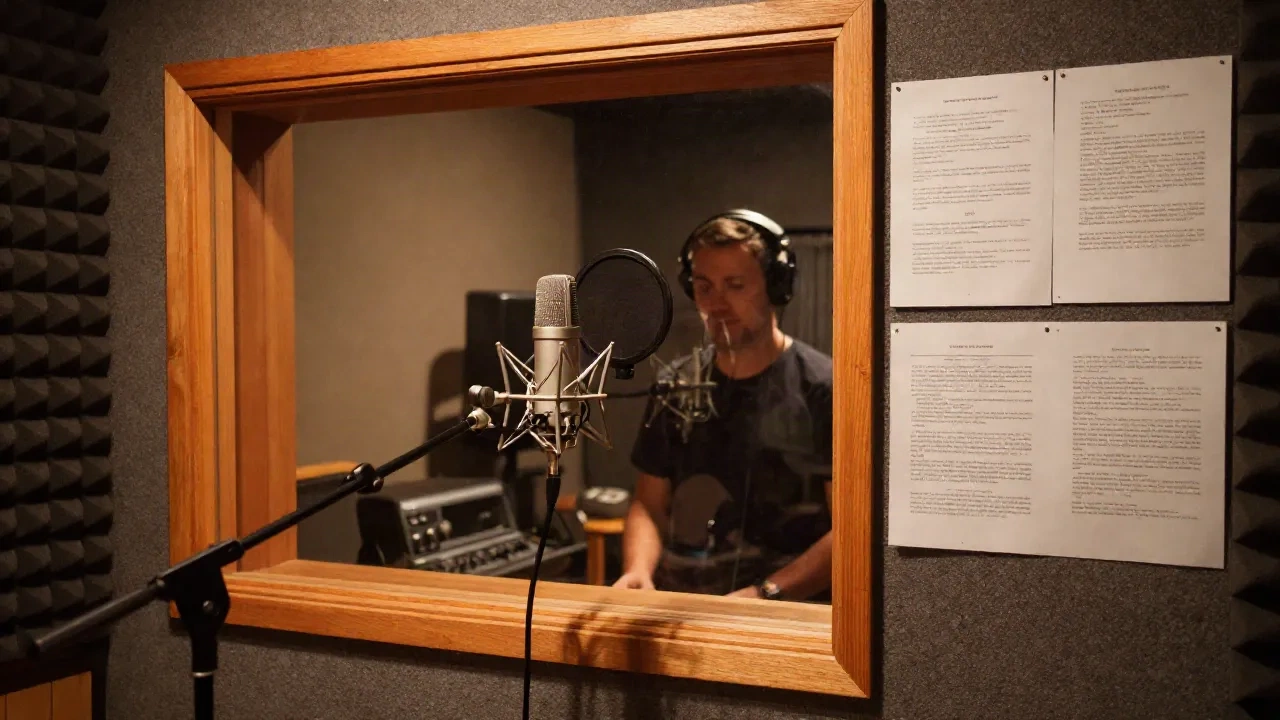
What is dubbing? It is the replacement of original spoken dialogue in a video with a recorded voice track in another language. The source audio is removed completely. What the viewer hears is a new voice performance, timed to the picture, recorded in the language they speak.
It is not subtitles. It is not a caption layer sitting on top of existing sound. It is a full audio replacement, and understanding that distinction is what makes every subsequent decision about localization clearer.
If your content reaches audiences in Germany, France, Italy, Brazil, or Spain, dubbing is worth understanding. These markets have strong historical preferences for dubbed content, built over decades of cinema and television practice. A subtitled video is not automatically unwelcome, but a properly dubbed one tends to earn longer watch sessions.
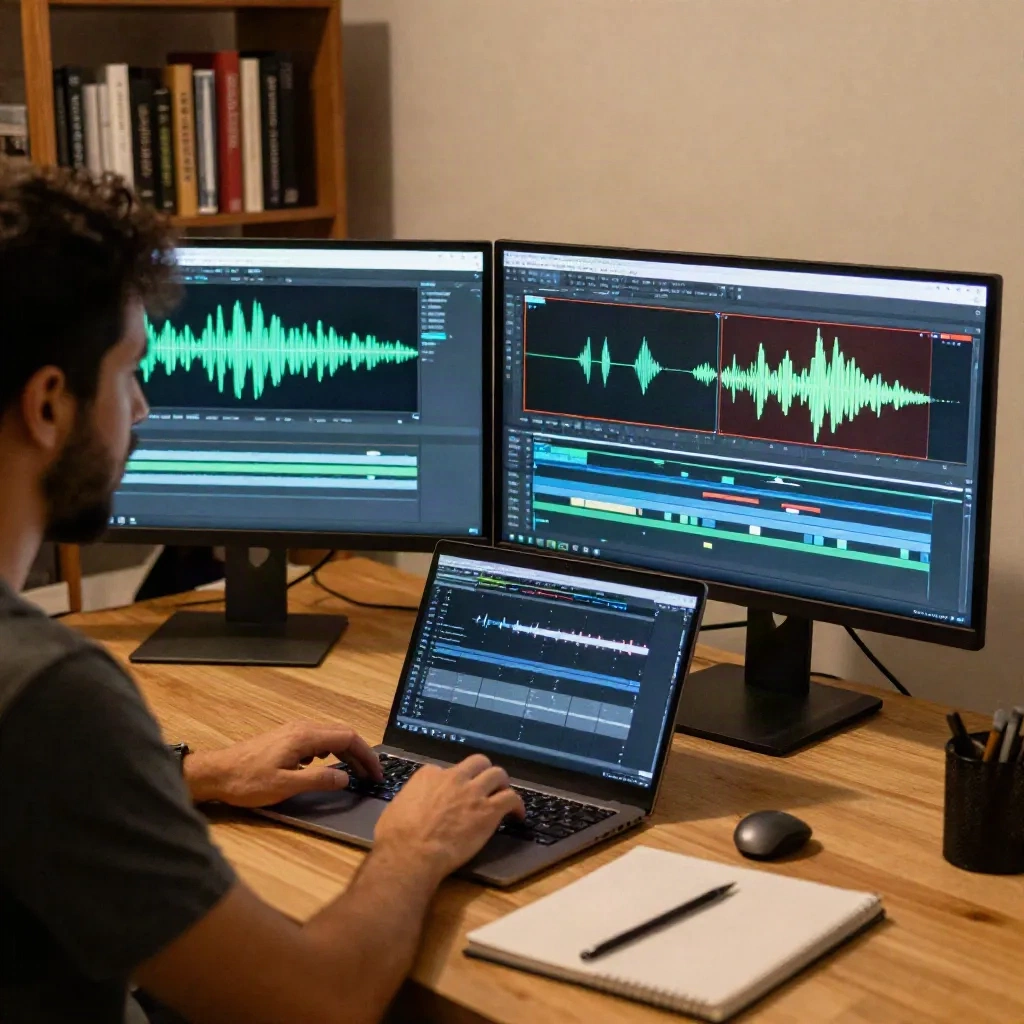
Dubbing, defined: what happens to the audio track
The technical process has five stages. A transcript is extracted from the source video. That transcript is translated into the target language, with attention to how long each line takes to speak.
A voice is recorded against the translated script, hitting timing marks that align with the original speaker's rhythm on screen. The new recording is then mixed against the video's ambient sound, music, and effects. The original dialogue track is gone from the final file.
That last point is worth holding. Subtitles coexist with the original audio. Dubbing eliminates it. A French viewer watching a dubbed Japanese documentary hears French. They never encounter the original speaker's voice, and the result feels native to them, which is both the appeal and the production challenge.
The challenge is that natural-sounding dubbing requires more than word-for-word translation. French sentences are typically 20 to 30 percent longer than their English equivalents. A line that runs three seconds in English may need four seconds in French, which creates a sync problem unless the translator adapts the line for length. Good dubbing is a rewrite, not a conversion.
Dubbing versus subtitles: neither is universally better
Subtitles add translated text to the bottom of the frame while keeping the original audio. They are faster to produce, cheaper, and easier to update when the source content changes. They also benefit search indexing, because platforms and search engines can read the transcript.
For creators who publish frequently or work across many languages, subtitles are the practical default. They are also the right call when the speaker's voice, accent, or delivery is itself what the viewer is there for. A stand-up clip, a dialect-specific tutorial, a podcast where the host's voice is the brand: subtitles preserve what matters.
Dubbing serves a different use case. When the viewer needs full visual attention on what is happening on screen, clearing the text layer helps. Dense instructional content, product walkthroughs, and anything where hands or interface elements are what the viewer needs to follow benefits from removing the subtitle overlay.
There is also the access question. A viewer watching in a crowded space, or on a small screen in bright light, may not be able to read subtitles comfortably. A dubbed audio track solves this without requiring any accommodation on the viewer's part. They simply listen.
The practical position for most creators: subtitles for fast, broad reach; dubbing for specific markets where immersion matters and you have the tools to do it in a reasonable timeframe. Many serious localization efforts now use both, with dubbed audio and optional captions on the same upload. YouTube supports multiple audio tracks natively alongside caption files.
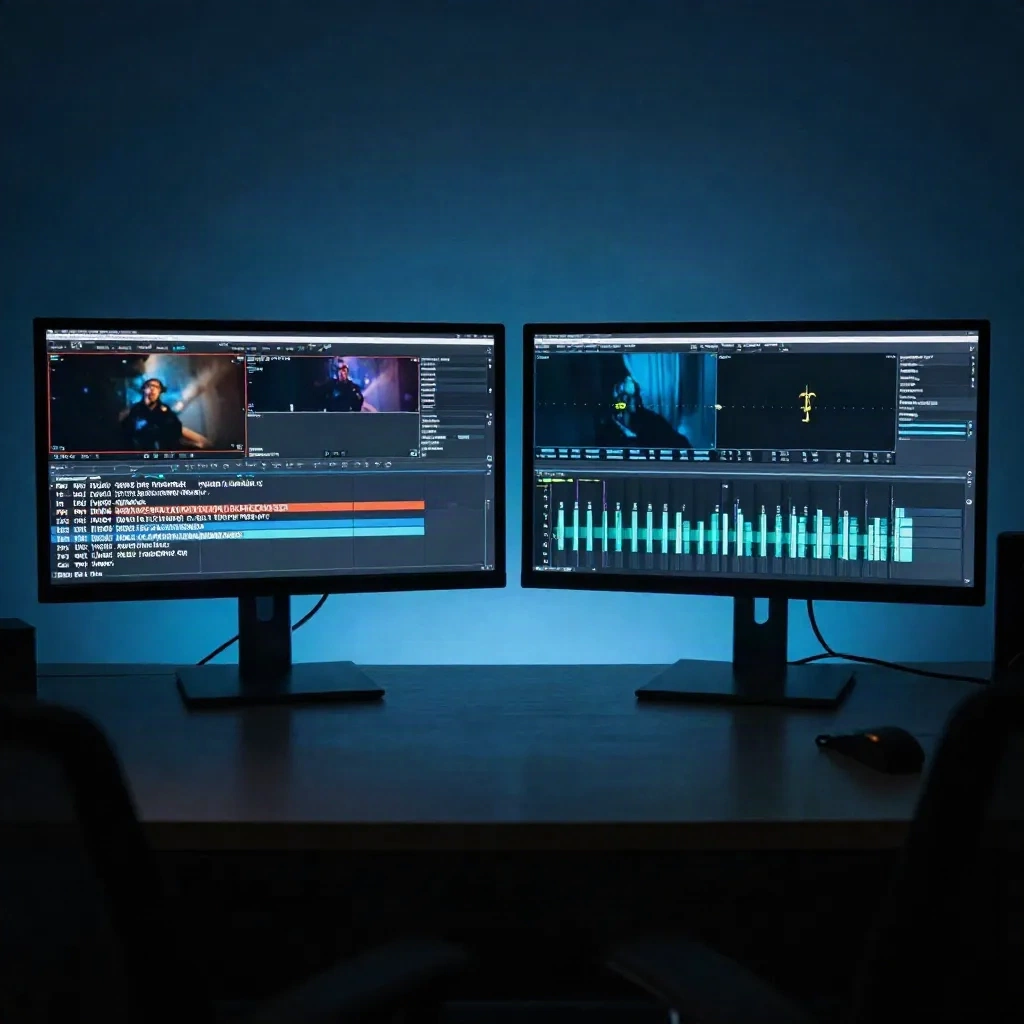
Where AI has actually changed the equation
Before 2023, a studio-quality dub required translators, professional voice actors in each target market, session bookings, and a post-production sync pass. A ten-minute video in one language cost $2,000 to $8,000 per additional language, depending on the market. Timelines ran two to four weeks per language pair.
AI has changed both the cost and the timeline. Current tools can transcribe dialogue, translate it, synthesize a voice, align that voice to the original speaker's lip movements, and deliver a dubbed file in under an hour. For a ten-minute video, the AI-only processing cost is typically a few dollars. The quality pass by a native speaker adds another thirty to sixty minutes of work.
Voice cloning has reached practical quality. Several tools now synthesize a version of the original speaker's voice in the target language, preserving pitch, tempo, and enough vocal character that regular viewers recognize the presenter even in a language they never recorded in a studio. That consistency matters for channels where the host's presence is the differentiating factor.
What AI still does not handle reliably is cultural adaptation. A translated script is not the same as a localized one. Idiomatic phrases break. Jokes stop landing. A sentence that assumes cultural knowledge the target audience does not share creates a moment of confusion that disrupts the viewing experience. The tools generate technically correct language. They do not generate culturally natural language without human review.
When dubbing makes sense for your video
Skip dubbing if your audience is global-English and comfortable with subtitles. Skip it if your content is short enough that subtitles do not feel intrusive. Skip it if the speaker's voice or delivery is itself the product.
Choose dubbing when your content is dense and visual. Tutorials, product demonstrations, and instructional series where the viewer needs full visual attention are better served without text in the frame. The screen stays uncluttered. The viewer can follow the action and absorb the explanation at the same time.
Choose dubbing when you are entering a dub-preference market. For content targeting German, French, Italian, Spanish, or Brazilian Portuguese speakers, the extra step pays off in watch duration and subscriber retention. For markets where English-language content is widely watched in the original, the return on that investment is lower.
The dubbing workflow, step by step
Understanding the steps makes it clearer where AI helps and where it introduces risk.
Transcription. The source video is transcribed, ideally with speaker timestamps. Accuracy here matters: an error in the transcript becomes a mistranslation downstream, and mistranslations in dubbed content are harder to catch because the viewer cannot cross-reference against text.
Translation. The transcript is translated into the target language, with attention to line length and timing. A translated line that runs too long cannot be delivered within its allocated time slot without sounding rushed. Good translators in dubbing think in speech rhythm, not just meaning.
Voice synthesis or recording. With AI tools, a synthesized voice reads the translated script. Speaker voice cloning maps the original speaker's vocal characteristics onto the new language output. Without cloning, a generic voice model is used, which produces technically clean audio but loses the presenter's identity.
Sync and alignment. The dubbed audio is aligned to the video. Current AI achieves 100 to 200 millisecond accuracy on straight-to-camera dialogue. Off-camera narration and cutaway sequences, where the speaker's mouth is not visible, are forgiving and sync cleanly.
Quality pass. A native speaker listens through the dubbed output. They flag translation errors, timing problems, unnatural phrasing, and cultural references that have broken in transit. This pass takes about 30 minutes for a ten-minute video when the AI output is clean.
Export and publish. The final file is exported as a new video or delivered as a separate audio track for platforms that support multi-track audio. The captioned version and dubbed audio can coexist on the same upload, which serves viewers who prefer reading along.
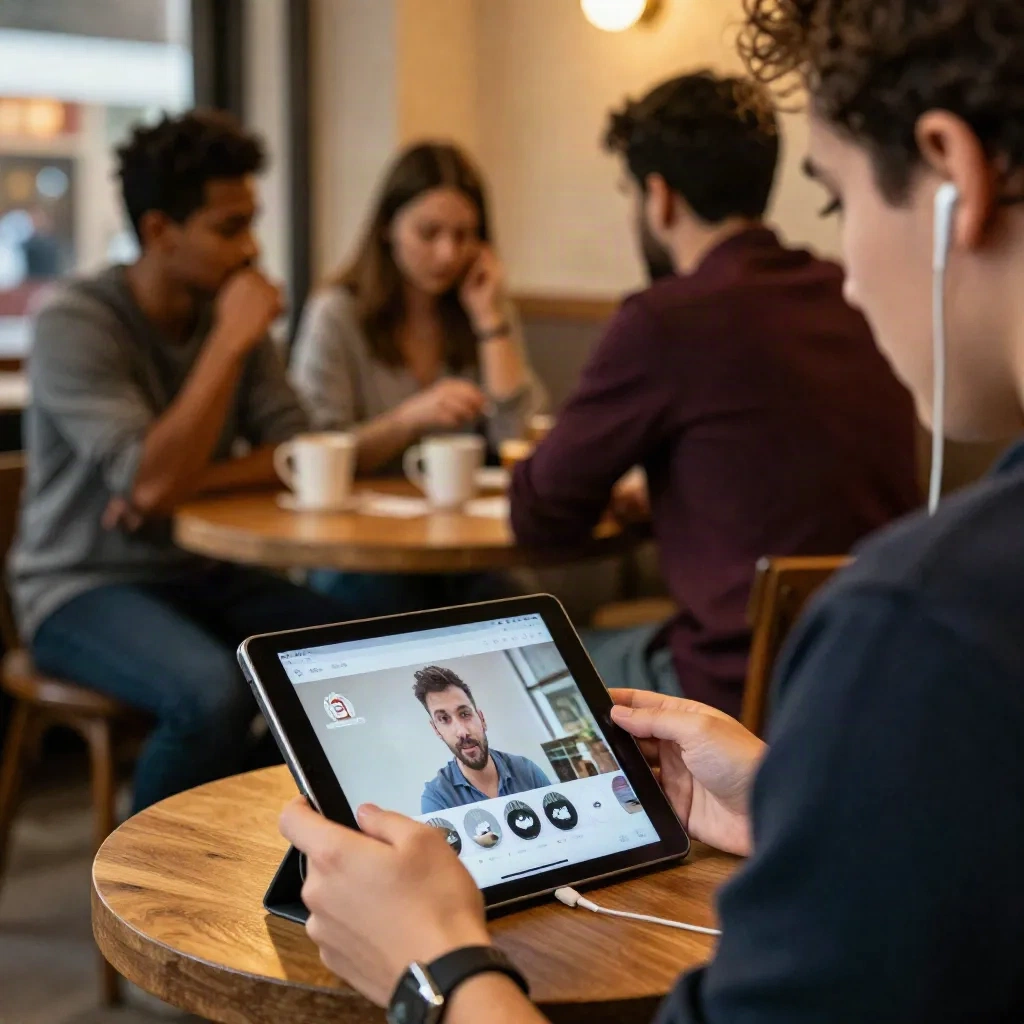
What still needs a human ear
Idiomatic language is where AI translation fails most visibly. A phrase that works naturally in English often translates literally into something confusing or flat. A human reviewer replaces it with an equivalent idiom in seconds. Without that pass, the dubbed content sounds technically fluent but culturally wrong.
Emotional register is harder still. A synthesized voice can match pitch and pace. It cannot replicate the micro-variations that signal emotional intent: the slight hesitation that marks self-deprecation, the lift that signals irony. For instructional content, this gap is acceptable. For content where the presenter's personality is the hook, it is noticeable.
The principle holds the same way it does for subtitles: AI handles 90 to 95 percent of the mechanical work cleanly, and a human pass fixes what remains. Skipping that pass trades a few minutes of work for content that quietly loses the trust of the audience it was supposed to reach.
Which tools hold up for solo creators
Higgsfield covers the full pipeline in one interface: transcription, translation, voice synthesis with speaker cloning, and lip-sync. It is useful when the presenter's voice identity matters across markets and you want to minimize the number of handoffs where errors tend to creep in.
CapCut's AI translation feature is the accessible starting point for short-form content. For 60-second clips going to TikTok or Reels, the results are fast and clean enough that the quality pass stays brief. It does not offer deep voice cloning at the level of dedicated dubbing tools, but for social formats where quick turnaround matters more than vocal fidelity, it does the job.
The workflow that holds up over time: transcribe carefully, translate with a native eye on rhythm, synthesize with cloning where the presenter's voice matters, review with a native listener, publish. That sequence is not dramatically different from how broadcast dubbing has always worked. The difference is that the mechanical steps now take an afternoon rather than a month.
At the screen, here is what changes. A dubbed video that works is invisible. The viewer does not register the join. They watch, follow the content, and leave without thinking about language at all.